
how long does love last
The duration of love varies from person to person, ranging from a few months to decades or even a lifetime. It is mainly affected by factors such as emotional foundation, relationship mode, and external environment. The durability of an intimate relationship is usually closely related to the degree of commitment of both parties, the ability to handle conflicts, and common goals.
Partners with strong emotional foundations are more likely to maintain long-term relationships. The dopamine secretion in the initial love stage usually gradually subsides between 6 and 36 months, but after it transforms into attachment-type emotions, it can be continued through shared experiences and in-depth communication. Regularly creating new experiences, maintaining emotional account savings, and establishing a common social circle can effectively extend the passion period. Middle-aged couples can transform love into a more stable partnership by cultivating common hobbies, dating regularly, and dividing family responsibilities.
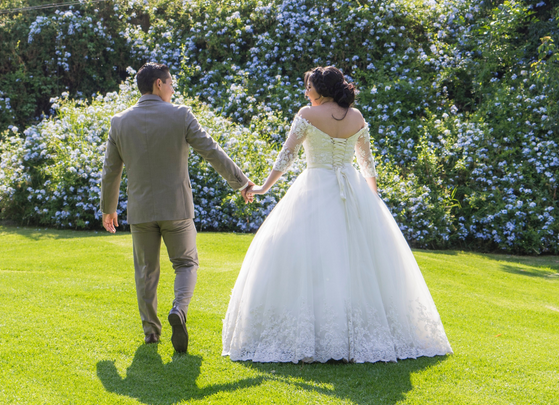
A poorly maintained relationship may show significant burnout within 3-5 years. External factors such as long-term separation, financial pressure, and parenting disagreements can accelerate emotional exhaustion. Research has found that the 7-year itch phenomenon exists, which is essentially the critical point between physical attraction and life. Some couples experience an emotional vacuum after retirement due to the loss of common goals, and need to be reactivated through new stimulation such as travel and learning. In extreme cases, infidelity or a major crisis of trust can cause a love to end in an instant.
Love in old age can last until the end of life, and at this time it is more manifested in spiritual dependence and life companionship. The relationship between golden couples shows that the key is to accept each other's shortcomings, maintain a moderately independent space, and cultivate shared memories. Hospice research confirms that older adults with long-term intimate partners have higher pain tolerance. It is recommended that couples conduct regular emotional state assessments, seek psychological counseling in time when persistent communication barriers occur, and strengthen emotional connections through small techniques such as writing love letters and anniversary ceremonies.
Disclaimer:
1. This article is sourced from the Internet. All content represents the author's personal views only and does not reflect the stance of this website. The author shall be solely responsible for the content.
2. Part of the content on this website is compiled from the Internet. This website shall not be liable for any civil disputes, administrative penalties, or other losses arising from improper reprinting or citation.
3. If there is any infringing content or inappropriate material, please contact us to remove it immediately. Contact us at:
